This post features Letters from Peter Scott-Gordon to Lade Smith – the originals are in the link. Readers outside Britain should assume that the gaslighting here applies to regulators and medical bodies in their country also and should not be fooled by this apparently polite correspondence.
4 February 2026
Dear Dr Lade Smith,
PATIENT SAFETY
I wanted to write to you to say thank you for engaging with me as President of the Royal College of Psychiatrists in relation to a number of matters. I particularly wanted to thank you for your kindness and professionalism in this. I am aware that your period as president is coming to an end (how time passes!) and that a democratic process is underway to find the next College president.
You will doubtless be aware of a number of current inquiries, right across the UK, into serious matters relating to patient safety. In one recent example, Fred Mackintosh, KC, Senior Counsel to the Scottish Hospital Inquiry, said to BBC Scotland on 23 January 2026:
“Senior leaders effectively need to know that if they show wilful blindness or complacency or don’t ask questions when patient safety issues arise, in due course they will be held to account”.
Given this context it is important that the College does not ignore patient safety issues, including in its forthcoming election process which is likely to face wider public scrutiny than ever before.
I hope that the election process, including the hustings, will include consideration of patient safety issues. I appreciate that this may be challenging for the College as it is primarily a membership organisation and supporting the interests of its members is understandably its priority. However, there is a very real risk that a defensive approach interferes with, or indeed impedes, College acknowledgment of, and support for, patients harmed by psychiatric treatments. Given the recent warning issued by Fred Mackintosh, KC, the College has to be aware that its long-term reputation could be at risk. Psychiatry, like all branches of medicine, is dependent on the trust that patients have in it.
It is disappointing that the College has made no official response to the First Do No Harm Cumberlege recommendations which were published in the summer of 2020. This is a missed opportunity to accept accountability and demonstrate a willingness to learn. This apparent defensiveness by the College may be one of the reasons why over 1 million people in the UK are seeking support from Facebook and other social media groups in relation to prescribed psychiatric drugs.
The risks and benefits of social media use are issues affecting all of society and continue to be widely debated. In this environment it is more important than ever that the online behaviour of College members adheres to the highest possible professional standards. The College needs to remember that social media contributions, both past and present, of its office bearers are open to scrutiny.
Thank you again for taking the time to listen to my concerns and I wish you all the best for the future. I do hope that the College can demonstrate genuine engagement with patient safety issues and that these can be openly discussed in the election process for the next office bearers of the College.
Yours sincerely,
Dr Peter Scott-Gordon
Copied to:
[1] Sonia Walter, CEO of RCPsych
[2] Wes Streeting, Secretary of State for Health and Social Care
[3] Patient Safety Commission/Commissioners
[4] Marion Scott, The Sunday Post
6 February 2026
Dear Peter,
I hope this finds you well.
Patient safety and the quality of care provided to people is a paramount concern for the College. Everything we do, including supporting psychiatrists in their work, is aimed at improving outcomes for people with mental illness.
As you know, mental health services have been underfunded for many years and suffer from chronic understaffing. This affects access to care, as well as the ability of staff to provide excellent quality care for all their patients. This is something the RCPsych advocates about constantly.
With respect to individual practitioners, we expect that all will do their utmost to provide the best quality care that is safe. We provide guidance, education and training to support them to do this.
Regarding the Cumberledge report, the College updated our Sodium Valproate Position Statement in light of the recommendations and reviewed and updated this again last year.
The Cumberledge report looked at 3 medical interventions that were not specific to mental health, nonetheless, we contributed to and signed up to a statement put out by the Academy of Medical Royal Colleges, of which we are a significant member. The statement was released on behalf of all Medical Royal Colleges and can be found here. In addition, we were part of the development of the 2021 Guidance document on the use of sodium valproate for women and girls (here).
I hope this helps to reassure you that we take patient safety very seriously. The hustings will focus on questions from the membership. There are always questions about patient care and the quality of mental health services, because this is what our members care about.
With all good wishes,
Lade
Dr Lade Smith, CBE
President of the Royal College of Psychiatrists
Academy of Medical Colleges
Below is the full statement by the Academy of Medical Royal Colleges that Dr Smith mentions in her letter to me. I am not aware that there has been any update to this initial statement, particularly in relation to the final paragraph: “We will work with colleges and other stakeholders to ensure that agreed recommendations are implemented as quickly and effectively as possible.” I would have expected a follow-up statement but have been unable to find any.
Primodos, sodium valproate and Vaginal Mesh
Baroness Cumberlege’s report, ‘First, do no harm’ is shocking and does not make for comfortable reading for the medical profession or the health system as a whole. A system which ‘has failed to listen to their [patients] concerns and when, belatedly, it has decided to act it has too often moved glacially’ is not delivering patient centred care for women. But, the report sends clear and powerful messages for change.
We offer our sympathy to all those who have suffered from these three interventions. Others should not have to face what they have faced in seeking to have their concerns taken seriously.
The Academy Council will give the report full consideration when it meets on July 22 2020. We will work with colleges and other stakeholders to ensure that agreed recommendations are implemented as quickly and effectively as possible.
7 July 2020
In Another Part of Town
Peter is not responsible for what comes now, although he did introduce me to Harriet Vogt’s wonderful description of British Medical Bodies as the Royal College(s) of Carpet Fitters.
On the same day as Peter posted this correspondence, an email came from Two Old Geezers (TOG) – otherwise known as Carl Heneghan and Tom Jefferson who have recently been chasing safety aspects to Covid vaccines and GLP-1s – Wegovy and Mounjaro.
The TOG email included excerpts of the latest response they have had from Britain’s FDA equivalent – MHRA – from which they quote Alison Cave, MHRA’s chief safety officer, as saying:
“Patient safety is the MHRA’s top priority and we continually monitor the safety and efficacy of all licensed medicines. For the vast majority of patients who are prescribed GLP-1s, they are safe and effective medicines which deliver significant health benefits. The risk of developing these severe side effects is very small.”
The TOGs point out that every page of the MHRA’s Yellow Card Site (MHRA’s equivalent to FDA’s Medwatch), contains the statement:
“The existence of an adverse reaction report does not necessarily mean that the medicine or vaccine has caused the reaction.”
and comment that against a background of thousands of reports, many listing fatalities, these two statements sit uneasily together.
The TOGs failed to note that despite having a Chief Safety Officer title, Alison Cave is not a doctor and has no qualifications to decide whether a drug has the capacity to kill, maim or otherwise harm. Any reader taking a medicine, or their family and friends, is like Tom Kingston along with his family or friends, better placed to decide whether treatment is causing that person a serious hazard or not than Alison Cave is – Ants, Aunts and Regulators.
That patient safety is MHRA’s number one priority is a soundbite not a reality. MHRA, FDA and EMA ‘look over’ (Cave into) drug labels that pharma companies write – companies who also claim patient safety is their number one priority.
Dr Ian Hudson was a Chief Safety Officer with GSK and later CEO of MHRA. As a medical doctor he was better placed than Alison to decide if GSK’s paroxetine could cause serious problems – See Who Will Make Medicine Great Again – but despite almost certainly knowing what the results of Study 329 – a trial of paroxetine done in children – showed, in the Tobin v SmithKline Beecham legal trial Dr Hudson swore under oath paroxetine causes absolutely no side effects whatsoever.
It is difficult to imagine anything quite so psychotic as this. The jury clearly thought so too. MHRA and company personnel to this day, 25 years later, are just about obliged to parrot the same lines if called on to comment on safety issues in public or under oath.
After leaving MHRA, Hudson worked for the Bill and Melinda Gates Foundation, which brings the The Epstein Files files into the frame – Bill Gates has vigorously denied any link.
It appears Dr Hudson has had interests other than the safety of children. See Former Head of UK Drugs Regulator Failed to Reveal.
Britain’s Guardian Newspaper, who have links to BMGF, refused to run this story. The BMJ who, while also claiming patient safety is a priority, also opted not to cover the issue. BMJ have mechanisms in place aimed at avoiding ever hinting a medicine might post hazards to patients – See Silencing Doctors, Silencing Safety.
Note
This post has put an emphasis on the role of doctors helping patients established what a drug has done or not done. There is no suggestion that you have to believe doctors. Quite the contrary. They more than anyone have failed us – see Are Healthcare and Science Compatible. To be Continued.
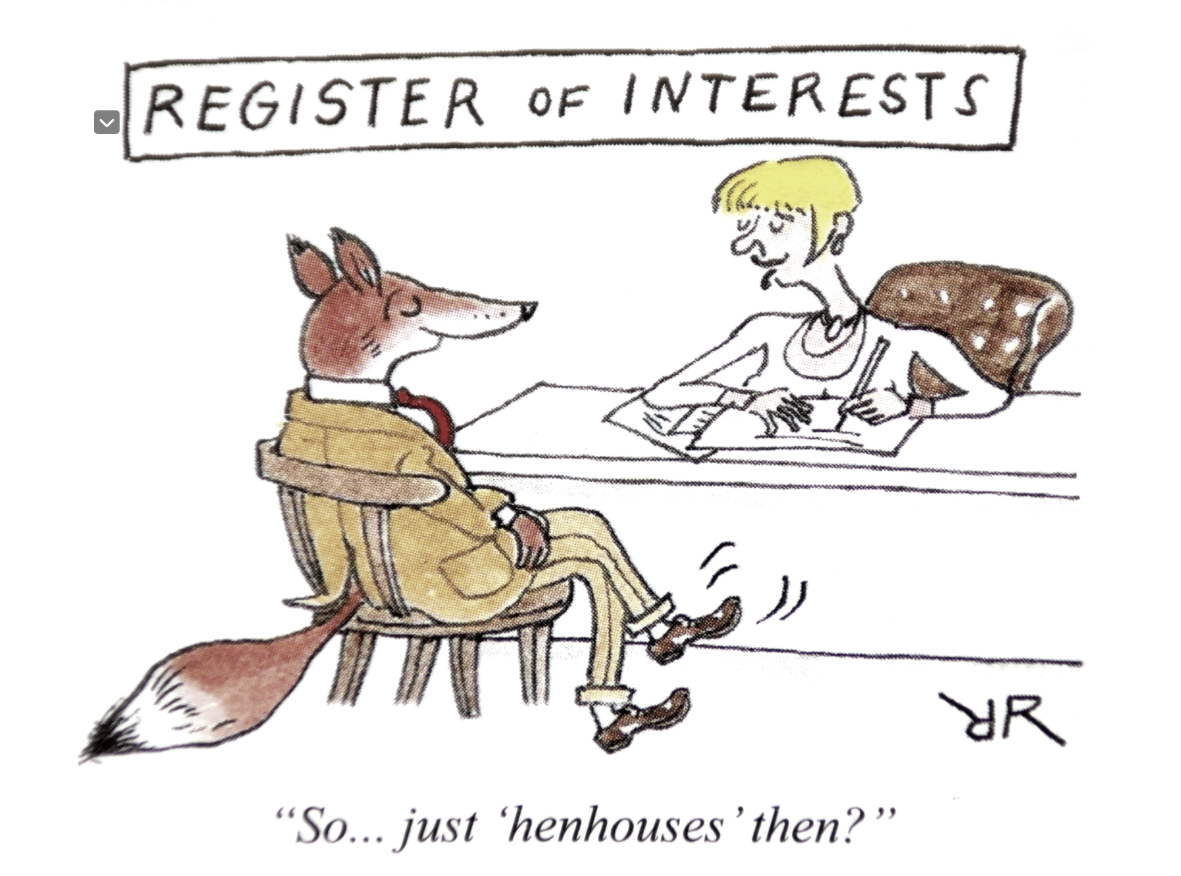
Sodium valproate was one of the cocktail of drugs prescribed to little Rebecca Riley, who at the age of three was diagnosed with “bipolar disorder.” This diagnosis came a year after she was prescribed clonidine for “ADHD.”
At the age of four, she died, her death a direct result of the drugs she had been prescribed. Both parents were convicted of murder. The doc who prescribed the drugs was given immunity in exchange for her testimony.
Patrick
Rebecca Riley’s story was grim. Happening 20 years ago, most readers probably do not know about it. I will be picking up on ADHD and mentioning Obedience Pills in a forthcoming post
D
That’s so heartbreaking. Poor baby.
“Psychiatry, like all branches of medicine, is dependent on the trust that patients have in it”.
It is now 15 years since the diagnostic ignorance, incompetence, arrogance, and contempt for patient safety by an unneeded ‘psychiatrist.. destroyed the life, health, hopes and dreams of my beautiful and enchanting daughter.
This psychiatric grievous bodily harm has left lifelong injuries and my family continue to watch the resulting suffering every day and every hour of our lives.
As a witness to this iatrogenic, life-shortening catastrophe, I have NO Trust in the Drug-Dependent “Psychiatry’ whatsoever..
As a parent, and as a retired Consultant Physician, I hold those who practice this dogma in absolute contempt.
The exceptions are those who founded RxISK and/or those who have found the courage to acknowledge the decades of failure and human destruction caused by the mainstream psychiatry fantasy and delusion that they are practising some form of medicine.
The excuse of underfunding is also contemptible.
How much money is wasted locking up. abusing and forcibly poisoning people who HAVE NO MENTAL ILLNESS, but simply had the misfortune to have life threatening ADRs (like AKATHISIA) misdiagnosed as ‘Serious Mental Illness’?
What kind of ‘Royal College’ fails to call to account those of its members who are responsible for such suffering?
Lade Smith’s response to Peter is Shabby. As you say the underfunding excuse is ridiculous. We would all be a lot better off if psychiatry were much less well funded.
D
How they are related:
(Dr) Ian Robert Burton HUDSON practised as a paediatrician from 1982 to 1989, and then worked in clinical research and development in the pharmaceutical industry, lately as a vice president of SmithKline Beecham (now GSK) between 1989 and 2001. Sir Jonathan Van-Tam (Moderna) was an associate director at SmithKline Beecham in 2000. Hudson was also appointed a non-executive director of Sensyne Health (now Acturis Data Ltd) in 2021. Sensyne was set up by Lord Drayson who was chair of the MHRA while Hudson was its CEO.
Sir Andrew Witty was CEO of GSK 2008-2017, while his mate Baron Vallance of Balham (previously Sir Patrick Vallance) from 2012 to 2018 was president of Research and Development at GSK.
Former head of MHRA the late Sir Alasdair Breckenridge was from 1992 to 1997 a member of a scientific advisory committee of SmithKline Beecham.
In 2005 the Parliamentary Heath Committee asked him whether he was aware or whether the company made him aware at the time of any testing that they were doing in relation to Seroxat and the use of Seroxat for children.
Professor Sir Alasdair Breckenridge replied “We never discussed any medicines at all. That was never part of the remit of the scientific advisory board.”
Isn’t it true that It is specifically the doctors/psychiatrists’ job, ethically and in many places legally, to report anecdotes of adverse reactions such as ours to respective country’s regulators? That It’s not up to them to make discrimination upon whether or not our story, our symptoms, our conditions rings true- that it’s the regulator’s job?
You have this entirely wrong. Deciding if a drug has caused a problem or working out what extra steps might be needed to decide if it has caused a problem is only something a doctor and the person on the pill can decide.
They can only do this by working together aiming at coming to a consensus on the observations the person on the pill can offer as to what has been happening them, and perhaps the observations their family and friends can add to that. The prior views about pills in general that the person on the pill or their family and friends have are irrelevant, just as the prior views the doctor may have risk being irrelevant. The challenge is to get to grips with what is happening in the experiment that began when this person began taking this medicine.
Regulators have zero part to play in this. Regulators job is to check paperwork to see if companies are keeping to regulations.
The law says companies also have a part to play in deciding if their drug has caused a problem and they used to do this and accept that it had caused a problem and included a link between their drug and the problem in the label of the drug. But companies have wriggled their way out of doing this and worked hard at giving everyone the impression that making a link between a problem and a drug is a job for regulators.
It’s not a job for regulators. The contribution of regulators and regulations is minimal and may in fact even be making things less safe. Having rules that companies should keep to makes sense but companies armed with a legion of lawyers can often make the rule book work for them.
In what universe do you think a regulator who knows little or nothing about the drug and has never met the patient can possibly even think about being a person capable of being an arbiter of whether a drug causes a problem or not?
D
Thank you for your response Dr. Healy,
I sincerely apologize for believe I poorly worded my first comment, allow me to rephrase –
Do clinicians have an ethical and/or legal duty to report suspected adverse drug reactions to national regulators even when causality is uncertain, rather than filtering reports based on whether they personally believe the patient? If clinicians had reported suspected PSSD cases at higher rates over the years, is it plausible this would have accelerated regulatory recognition and research?
N
Medics do not have a legal duty to report adverse reactions. Companies do and used to assess cases and conclude their drug had caused the problem but they no longer do this. They can be sued for failure to warn but not anywhere in Europe.
When the current system was set up in 1962, doctors routinely reported adverse events in medical journals and that is the best way to get the knowledge out. Report them to a regulator and the paperwork gets filed away – even after thousands of suicides and homicides.
But since the intrepid BMJ under Richard Smith published an article that looks like and was treated by the company as an effort at deception arguing that these reports are anecdotes and meaningless and since this argument has become the legal defense companies use in the case of suicides and homicides, all medical journals have become to scared to publish the kind of reports that a huge amount of medical progress to date has been built on.
Doctors, journals, regulators etc justify not getting/letting reports like these out on the basis that they don’t want to deter people from seeking treatment – as more lives will be saved if they aren’t put off taking isotretinoin for a few acne spots or finasteride for premature hair thinning or SSRI perhaps just because everyone else in your class in school is now on them
There will be more posts on this topic next week and in weeks to come here and on RxISK
D
‘I hope this helps to reassure you that we take patient safety very seriously. The hustings will focus on questions from the membership. There are always questions about patient care and the quality of mental health services, because this is what our members care about.’
Think it worth while any member of the public who is unaware of what happens in psych ‘ care’ wants a more realistic picture if what is going on spend the time to watch this:
https://m.youtube.com/watch?v=MDDkOou1020
OK most people will not end up throwing themselves out a window to end their lives. But experience of her son and the relatives experience; the harrowing events of what she went through is what is going on. The drug mentioned in this case is Olazapine. I’ve little doubt he was chopped and changed with drugs and more than likely on polypharmacy. It also gets at the lack of experience knowledge the lawyer has to ask appropriate questions to get at the heart of what is happening. It’s unfortunate because an earlier hearing was close but it wasn’t followed up.
Real patient-centric safety is something of a disembodied space. Lost between inevitable and, to be fair, necessary systems thinking (e.g. edicts about ’safety culture’, processes like the Patient Safety Incident Reporting Framework (PSIRF), key metrics etc.) – and historically and politically sales and marketing manual driven drug regulation.
Often intoned as a mantra – ‘patient safety is our priority’ – ask anyone to define what they mean by that and their mouths tend to open and shut like goldfish blowing bubbles, (signifying gasping for oxygen). Not because these are bad people – despite a few exceptions – but because they’re missing the point.
Coming from the commercial word, where you don’t have a business unless your attention is continuously fixed on understanding and satisfying your customers’ needs, I remember being bemused to read in the NHSE Patient Safety Strategy (2019) that the significance of patients, families and carers, was ‘increasingly being recognised.’ What?
‘The importance of the role of patients, their families and carers, and other lay people in improving the quality of NHS care is increasingly recognised, as is involving patients as partners in their own care. However, more work is needed to support widespread implementation.’
https://www.england.nhs.uk/wp-content/uploads/2020/08/190708_Patient_Safety_Strategy_for_website_v4.pdf
System ‘initiatives’ like ‘Martha’s Rule – otherwise known as Call4Concern – can and do apparently work. Although I gather sepsis is extremely difficult to identify since it may present initially as a much milder illness, there is nothing politically awkward about the system striving to improve recognition of a life threatening state.
‘Figures from NHS England show that since then there have been almost 5,000 calls, resulting in 241 potentially life-saving interventions’.
https://www.bbc.co.uk/news/articles/c8e1zw28766o
Equally, the system can effectively and without political discomfort – reduce opioid dosage levels or broad spectrum antibiotic prescribing using ‘mechanics’ such as remunerated Medicines’ Optimisation Objectives.
But when it comes to politically and commercially compromised drugs – psychotropics and vaccines being classic – we’re looking at a rather different, defensive mindset (though ARAFs for valproate and isotretinoin are good news since they signify system embedded hazard acceptance, even if decades late).
Peter G’s deceptively gentle letter really did flush out the true colours of the Royal Colleges of Carpet Fitters (don’t panic, I won’t labour the analogy too much, however tempting).
Is it possible that President Lade Smith really does not recognise that the Cumberlege Review was a critique of the way medicine operates across the system. I share Tim’s disgust at the way every criticism is turned into a sales opportunity. If you want the thick loop pile, madam, you will have to pay a premium.
And whichever PR apparatchik wrote the Academy of Medical Royal Colleges of Carpet Fitters’ public statement, quoted by Peter, cut corners outrageously:
‘Baroness Cumberlege’s report, ‘First, do no harm’ is shocking and does not make for comfortable reading for the medical profession or the health system as a whole. A system which ‘has failed to listen to their [patients] concerns and when, belatedly, it has decided to act it has too often moved glacially’ is not delivering patient centred care for women.’
Literally the softest critical sentence in the report. The heart of it, in contrast , is:
‘We have found that the healthcare system – in which I include the NHS, private providers, the regulators and professional bodies, pharmaceutical and device manufacturers and policymakers – is disjointed, siloed, unresponsive and defensive. It does not adequately recognise that patients are its raison d’etre. It has failed to listen to their concerns and when, belatedly, it has decided to act it has too often moved glacially. Indeed, over these two years we have found ourselves in the position of recommending, encouraging and urging the system to take action that should have been taken long ago. The system is not good enough at spotting trends in practice and outcomes that give rise to safety concerns…’
https://www.immdsreview.org.uk/downloads/IMMDSReview_Web.pdf
As for Mr Hudson – positive vetting has taken on a new meaning of late on the world stage.
In such a highbrow space as this, you may not wish to quote beauty queen and reality TV star, Leilani Dowding’s comment on the Mr Hudson piece in the Mail – so here is the link.
https://x.com/LeilaniDowding/status/2020797848120357162?s=20
In case you do, Leilani shrieks what we are all feeling:
‘FFS. How many more people in positions of power are filthy pedos.’
Latinate spelling may not be her strong point, but common sense is.
Re: Cumberlege Review: First Do No Harm
In June 2024, I did a peaceful one-man protest outside the Royal College of Psychiatrists lucrative International Congress. It was being held in Edinburgh, where I was born.
I had a banner with me. It said in Large Letters:
‘Please encourage the College to uphold its VALUES and to implement the CUMBERLEGE recommendations’
Not one psychiatrist who spoke to me, including elected College officials, had heard of the Cumberlege Review.
I introduced myself to Prof Subodh Dave, the College Dean and asked his view on the Cumberlege Report. He gently shook his head and looked a bit awkward. Then replied ‘I will need to look that up’.
Subodh Dave has put himself forward for the upcoming RCPsych Presidential election. Amongst the other candidates for RCPsych presidency there is at least one senior psychiatrist who openly disputes withdrawal effects of antidepressants and other psychotropics.
You can read my first-hand report of standing on the pavement outside the 2024 RCPsych International Congress here: https://holeousia.com/2024/06/19/outside-on-the-pavement/
Peter
Did you get a detail wrong – you mean the Carpet-Fitters convention being held in Edinburg. They are very concerned with Edges but you can’t expect carpet fitters to have heard of the Cumberl-Edge report.
David
You can’t rewrite history but our former MHRA leader and pediatric specialist Ian Hudson is gradually being disappeared from online records.
Not only linked Out of LinkedIn, his presence as an expert for https://nwpharmatech.com/team/ and https://nwpharmatech.com/team/ is no longer recognised.
Consultancy work as a UK doctor does require registration with the General Medical Council.
https://www.gmc-uk.org/registrants/2616869
However, thanks to the wonderful Wayback machine his recent image and a record of his distinguished career is preserved for posterity.
https://web.archive.org/web/20241223220256/https://tedgrasela.substack.com/p/ian-hudson-obe-a-distinguished-career